The Vacant Precinct Problem
Attrition is doing what abolition could not. Departments are quietly reorganizing around the officers they no longer have.
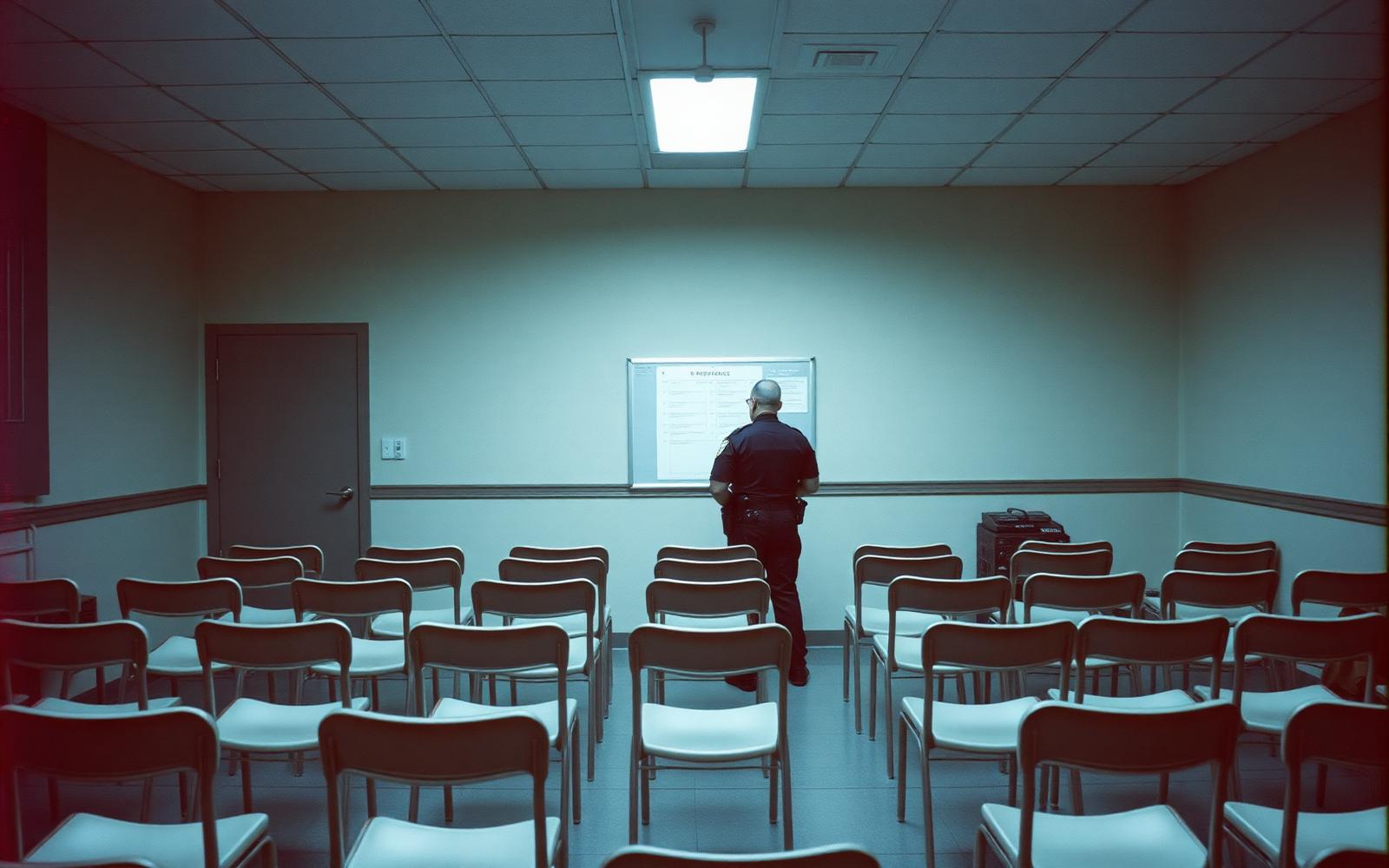
The debate about the size of American police departments has moved on without the debaters. Between 2020 and 2025, the median large-city department shrank by roughly eleven percent, not through any policy of defunding but through attrition — retirements, mid-career departures, and hiring pipelines that stopped producing recruits at the pre-2020 rate. Departments are now planning around headcounts they did not choose.
The response inside the field has been quieter than the public conversation would predict. Chiefs have not, on the whole, launched dramatic redesigns. They have made a series of small, defensive adjustments: consolidating precincts, folding specialized units back into patrol, dropping response to categories of call that used to be mandatory. In several major cities the department no longer responds in person to fender-benders, minor thefts, or alarm calls without corroborating evidence. These are not policy choices announced from a podium. They are staffing consequences described in an internal bulletin.
The effect on the citizen is unevenly distributed. In the neighborhoods that already had low expectations of the department, the change is barely noticed. In the neighborhoods that once received a fifteen-minute response to a routine call, the new forty-minute wait has become the loudest local political issue in a decade. The pattern is a mirror image of the 2020 conversation: the constituencies most invested in the traditional model are the ones now watching it recede.
What is missing is a public reckoning with the fact that this is now the model. Attrition is not going to reverse on the timeline the recruiting data suggest. The average department is at least a decade away from restoring its 2019 headcount, if it ever does. Planning as if the shortfall were temporary — offering thirty-thousand-dollar signing bonuses that do not move the pipeline, mandating overtime that accelerates the next round of departures — is the expensive way to arrive at the same place.
The productive question is not whether the American police department will be smaller in 2030 than it was in 2019. It will be. The question is whether the smaller department will be redesigned around what it can plausibly do well, or whether it will be a version of the old department with the same responsibilities and fewer people to meet them. So far, most cities are choosing the second option by default, one internal bulletin at a time.
About the author
Nora Halligan
Nora Halligan covers policing and emergency response for The Review. She was previously a staff writer at the Marshall Project.
More from
Public Safety

Response Times Are Not Safety
Nora Halligan · 12 min

Co-Responder Programs, Year Five
Nora Halligan · 9 min