Co-Responder Programs, Year Five
The evaluations are finally in. They do not say what either side of the debate wanted them to say.
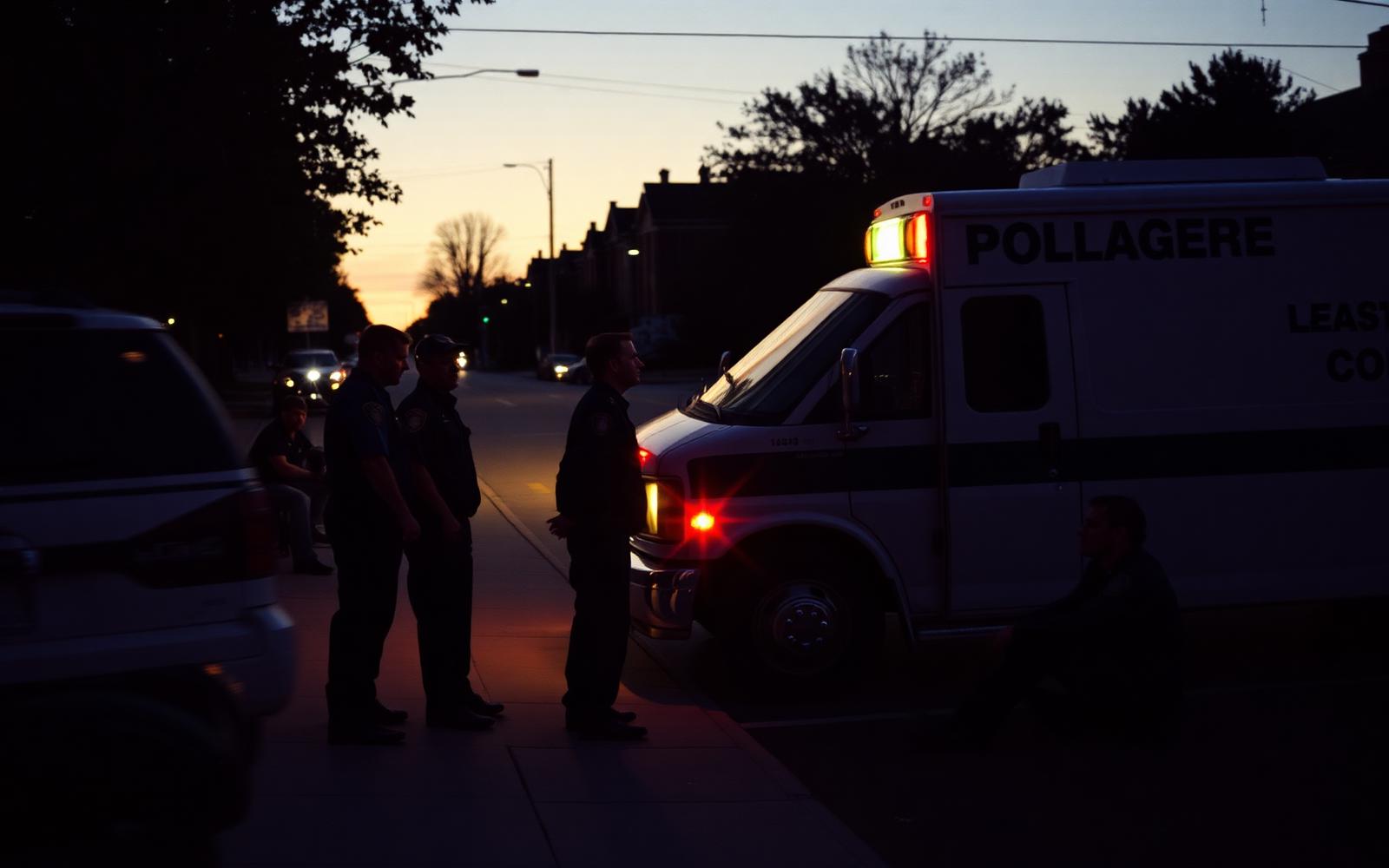
Five years after the first wave of American cities launched co-responder programs — pairing armed officers with unarmed mental-health clinicians on behavioral-health calls — the first generation of serious evaluations has arrived. The results are more useful than either the programs' champions or their critics had prepared for.
The clearest finding, replicated across Denver, Eugene, and Albuquerque, is that co-responder units divert a meaningful share of calls away from emergency departments and jails. In Denver's STAR program, calls handled by the civilian team resulted in an arrest less than one percent of the time; the citywide baseline for similar calls was closer to seven percent. The diversion is real and the cost per call is roughly a quarter of what a police-only response consumes.
The equally clear finding is that co-responder units do not reduce the number of use-of-force incidents on calls where officers respond alongside a clinician. On mixed calls, the presence of a clinician appears to change how a case is closed but not what happens in the first two minutes on scene. The improvement is on the back end, in disposition, not on the front end, in force.
This is not the story either coalition wanted. The advocates who campaigned for these programs argued they would reduce force. They largely have not, on the calls that most reliably produce it. The skeptics who argued that clinicians would be endangered by dangerous scenes have been wrong on that point: clinician-injury rates are indistinguishable from the baseline for social workers in the same jurisdictions.
What the evidence supports is a narrower and more useful policy: expand the civilian-only response for the calls where the risk profile is well understood, and stop pretending that pairing a clinician with an officer changes anything about the officer's training or the incentives of the encounter. That is not the reform that was promised. It is the reform that the evaluations describe.
About the author
Nora Halligan
Nora Halligan covers policing and emergency response for The Review. She was previously a staff writer at the Marshall Project.
More from
Public Safety

Response Times Are Not Safety
Nora Halligan · 12 min
The Vacant Precinct Problem
Nora Halligan · 10 min