The Clinic on the Corner
Federally qualified health centers are quietly absorbing the collapse of primary care. The economics only work if we stop pretending they are optional.
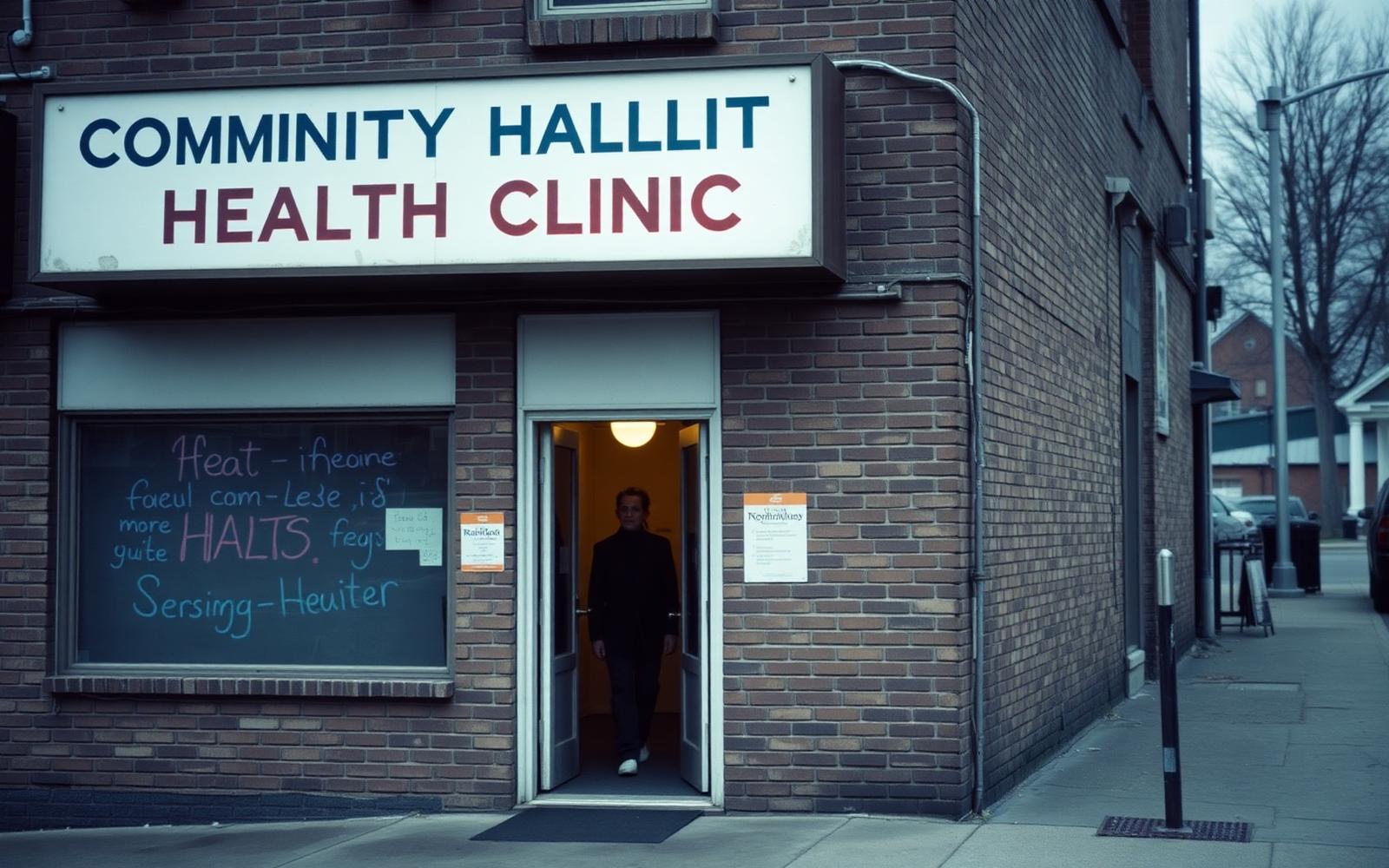
Thirty-two million Americans get their primary care from a federally qualified health center. The number has doubled in fifteen years, and it is climbing faster now than at any point since the program was created. The reason is not policy design. It is the vacuum left behind by a private primary-care sector that has, in most of the country, stopped taking new Medicaid patients and, in an increasing share, stopped taking new patients at all.
The FQHC is a strange institution to be shouldering that weight. It is required, by statute, to see anyone who walks in regardless of ability to pay. It is reimbursed on a per-visit basis at rates negotiated in the 1990s and only intermittently updated. It runs on a mixture of federal grant dollars, Medicaid billings, and philanthropic top-off. In most of the country, its physicians earn twenty to thirty percent less than their counterparts in a hospital-owned practice.
None of this would matter if the model were being asked to do what it was designed to do — provide a supplemental safety net for the uninsured. What it is being asked to do instead is function as the primary care system for entire counties. In roughly a quarter of American counties, the FQHC is now the only place accepting new Medicaid patients. In a smaller but growing set, it is the only place accepting new patients with commercial insurance under fifty.
The economics do not close. The average FQHC is operating at a two-to-four-percent margin, which for a nonprofit clinic means one bad quarter from a hiring freeze. The federal grant program that anchors the model — Section 330 of the Public Health Service Act — has been reauthorized on short-term extensions eleven times in the last decade. Every extension is negotiated as if it were optional.
It is not optional. If the FQHC network contracts, the patients it currently sees do not disappear. They arrive in emergency departments, at three times the cost, for conditions that a fifteen-minute clinic visit would have caught six months earlier. This is not a hypothetical. It is what already happens in the counties where the local FQHC has closed. We have the data. We keep publishing it. It does not seem to be changing the reauthorization calendar.
The clinic on the corner is not a charitable footnote to American medicine. In a growing share of the country, it is the medicine. The sooner the reimbursement structure and the grant cycle reflect that reality, the less we will spend fixing the damage of pretending otherwise.
About the author
Amara Whitfield, MD
Amara Whitfield, MD, is a practicing internist and a contributing editor at The Review. She writes on primary care, Medicaid, and community health.
More from
Community Health

The Medicaid Unwinding, Two Years Later
Amara Whitfield, MD · 14 min

Food Is Not Medicine, and That Is the Point
Amara Whitfield, MD · 12 min