The Quiet Collapse of the Bus
Ridership recovered everywhere except where it mattered. What mid-sized transit agencies learned by watching their most reliable riders walk away.
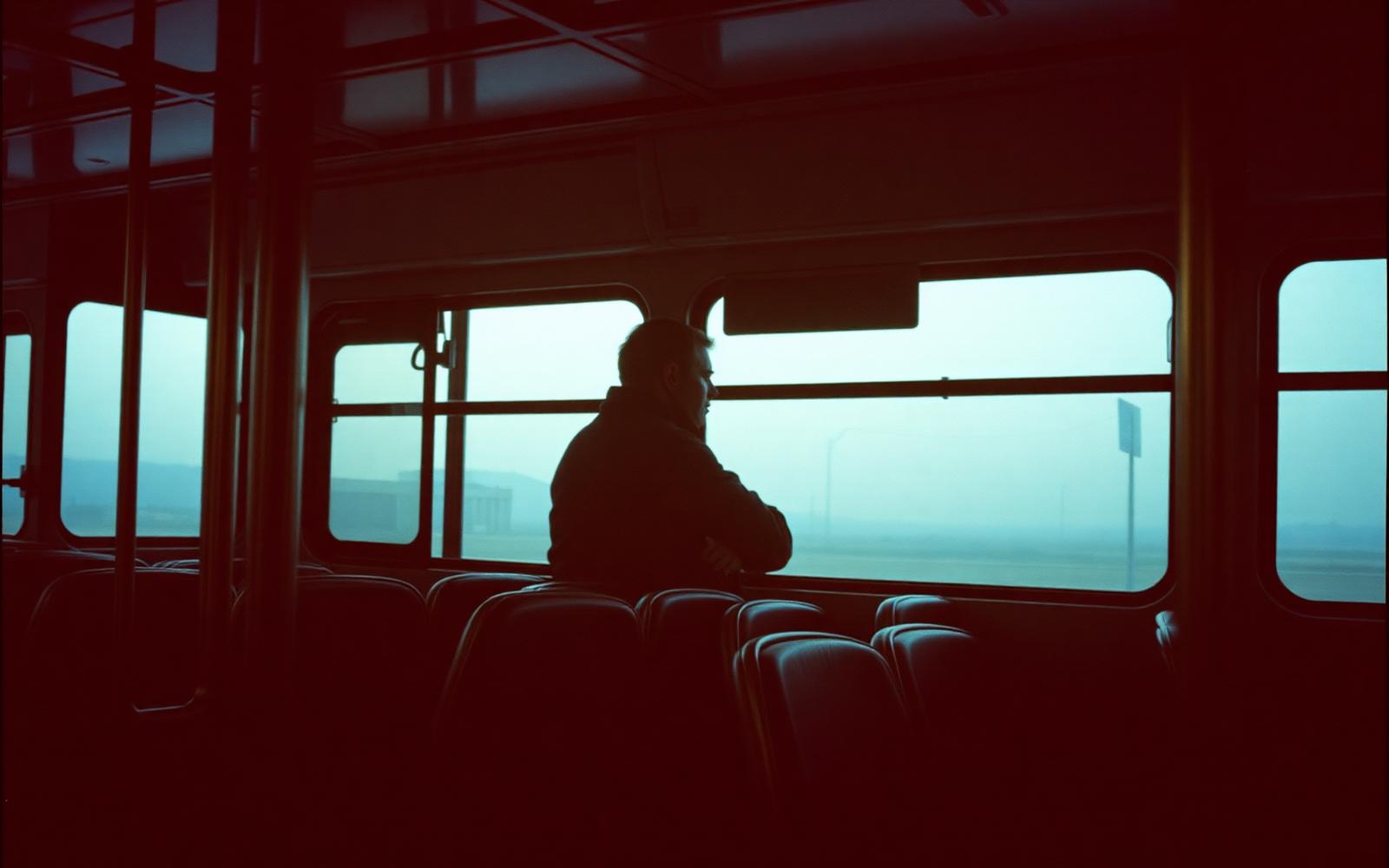
Every quarterly ridership report out of the American Public Transportation Association since 2023 has carried the same encouraging headline: bus ridership is recovering. And in the aggregate, that is true. The trouble is that the aggregate hides where the recovery is coming from, and where it is not.
In New York, Chicago, and the Bay Area, bus ridership has clawed back to roughly nine-tenths of its 2019 baseline. In mid-sized systems — the Toledos and Fresnos and Birminghams that account for the bulk of American bus service — the recovery has stalled at somewhere between sixty and seventy-five percent. That gap is not a rounding error. It is a structural divergence.
The riders who stopped taking the bus in these cities were not commuters. Commuters had already been leaving buses for cars for two decades. The riders who left in 2020 and never came back were the ones agencies internally described as captive: shift workers, students, people making a single essential trip per day whose alternative was walking. What the pandemic proved is that many of those riders were not captive at all. They were tolerating the service. When it deteriorated, they found rides, bought used cars, or reorganized their lives around the trip they no longer took.
The agencies that have recovered fastest share a boring set of choices. They shortened headways on the routes with the highest pre-pandemic ridership rather than restoring the full network. They invested in shelter and lighting at the twenty stops that generate a third of the boardings. They accepted that a bus that arrives every ten minutes at a lit shelter is a different product than a bus that arrives every thirty-five minutes at a bent pole.
None of this is exotic. It is the frequency-and-legibility playbook that Jarrett Walker has been describing in print for fifteen years. What is new is the political appetite to actually cut coverage — to run fewer routes, better — in service of the riders who are left. That trade-off used to be untouchable. In the cities where it has been made, the ridership curve has bent.
The lesson for the second-tier agencies is not that Americans have stopped riding buses. It is that Americans have stopped riding bad buses, and that the rider agencies could count on — the one who did not choose the bus so much as inherit it — was the rider they lost first. Getting that rider back is not a marketing problem. It is a service problem, and it is expensive, and it requires saying no to constituencies that expect a route to stay because it has always been there.
About the author
Devon Marchetti
Devon Marchetti writes on transportation and land use. His book on the postwar arterial is forthcoming from MIT Press.
More from
Transportation
Congestion Pricing in the Second Cities
Devon Marchetti · 13 min
The Last Mile Was Always the First
Devon Marchetti · 8 min